Energy is the foundational pillar of development for any economy. Whether it is the expansion of industries, urban growth, the spread of the digital economy, or the massive data centers built on Artificial Intelligence; a steady, sufficient, and reliable power supply is a basic prerequisite. The transition India has achieved in the energy sector over the past decade stands out as a unique and remarkable example within the framework of environmental protection. This shift is not just about financial growth; it is fundamentally linked to energy security, reduced reliance on imported fossil fuels, and future industrial technologies.
In 2014, India’s installed renewable energy capacity was 76.38 gigawatts. By June 30, 2026, it soared to 288.58 gigawatts. Over the last 12 years, this capacity has grown nearly fourfold, with solar energy taking the biggest leap. Solar energy capacity reached 162.15 gigawatts, while wind power reached 57.44 gigawatts. These numbers are enough to clearly show the rapid pace of India’s energy transition. However, looking at statistical figures reveals a major distinction that we must always remember: installed capacity and actual power generation are not the same.
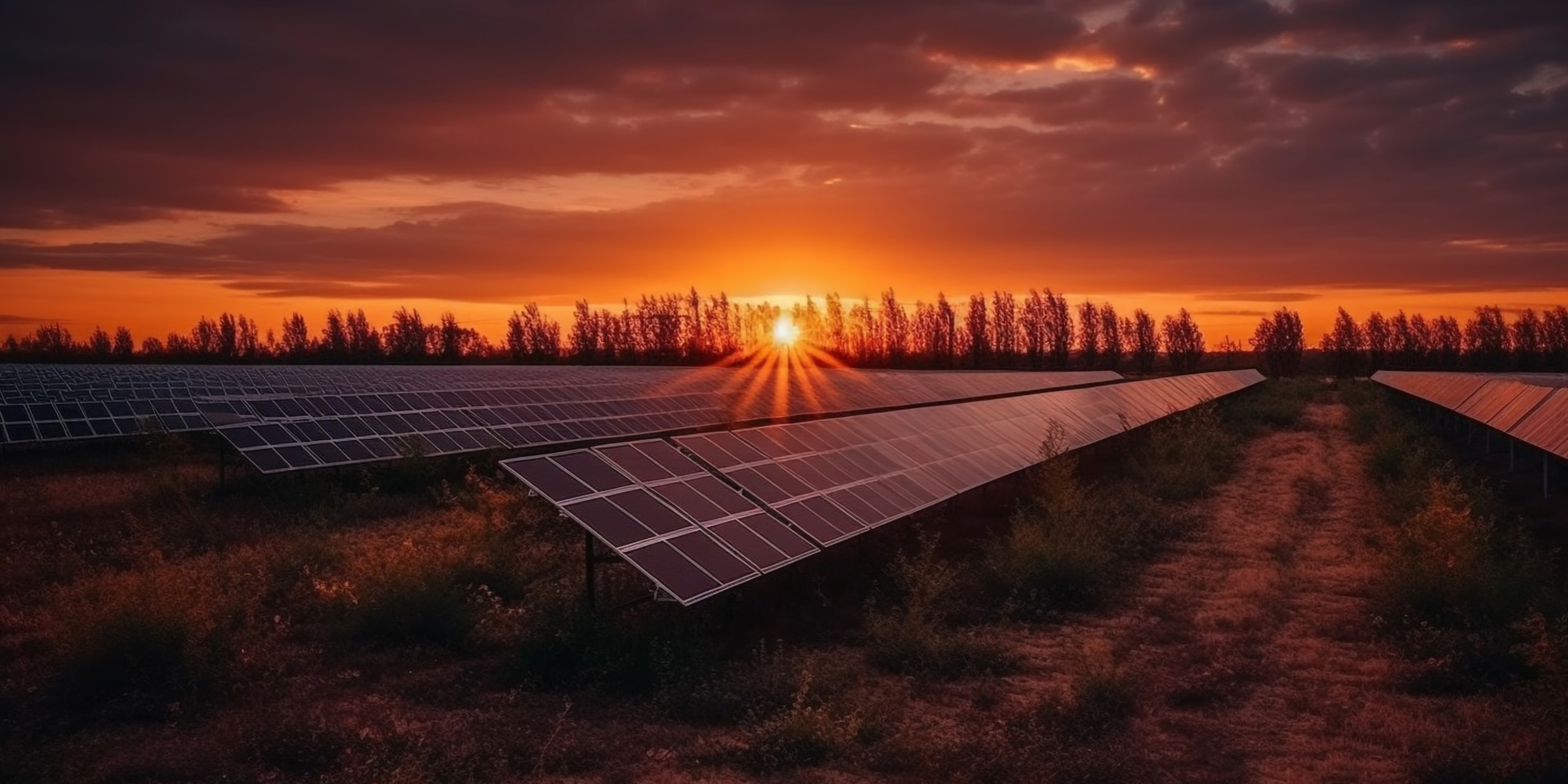
The installed renewable energy capacity, which stood at 76.38 gigawatts in 2014, has reached 288.58 gigawatts by June 2026. Solar energy has accelerated this journey. However, the true test ahead lies not in capacity addition, but in storage, the grid, and continuous supply.
In June 2025, India achieved the national milestone of securing more than 50% of its total installed power capacity from non-fossil fuel sources, achieving this target five years ahead of its 2030 deadline. By the end of July 2026, the share of non-fossil fuel capacity surpassed 54%, and the country’s total non-fossil fuel installed capacity reached 300.50 gigawatts. However, during the financial year 2025–26, the share of non-fossil sources in actual electricity generation was around 21.2%. This means that while India has taken a massive leap in setting up generation capacity, converting that capacity into a continuous, reliable power supply remains a critical challenge.
This difference highlights the full picture of India’s green energy transition. Solar energy can be generated in large quantities during daylight hours, but availability drops at night. Wind energy depends on fluctuating weather conditions. Therefore, increasing green energy capacity is only the first step; storing that energy and delivering it stably and at a large scale to consumers when needed is an even tougher task. Solutions like pumped storage projects, battery storage, robust transmission systems, and intensive grid management are becoming increasingly vital. Experts in India’s energy sector believe that rather than just increasing the number of solar panels or wind turbines, the overall system’s capacity must be strengthened.
Great strides have been made regarding solar energy. In 2014, the country’s solar energy capacity was just 2.6 gigawatts. By July 2026, it reached 164.59 gigawatts. In 2025, India became the world’s second-largest solar capacity adder, connecting more than 37 gigawatts of solar capacity in a single year. Solar energy has now become a central component of India’s energy ecosystem. Under the ‘PM Surya Ghar: Muft Bijli Yojana,’ solar power is reaching the doorsteps of ordinary citizens, transforming them from mere consumers into power producers. Till August 2026, more than 51 lakh (5.1 million) households benefited under this scheme, and over 14.8 gigawatts of rooftop solar capacity was commissioned. Around 19 lakh (1.9 million) households are reportedly receiving zero electricity bills because of it.
Renewable energy is no longer just a matter of power generation. It is transforming the manufacturing landscape. Cells, solar modules, solar cells, inverters, batteries, and wind power components—increasing the domestic manufacturing of these elements has become a priority for India.
Manufacturing has opened up new employment horizons. In 2019, the country’s solar module manufacturing capacity was 2.3 gigawatts; by 2026, it has crossed nearly 172 gigawatts. This means India is no longer merely a consumer of renewable energy; it is emerging as a self-reliant industrial hub for manufacturing these components. India has heavily scaled up its solar power capacity, but the continuous import of essential equipment carries the risk of replacing one form of import dependency with another. Therefore, self-reliance and the ‘Make in India’ initiative have become vital in this sector.
Investment flows into this sector have also been remarkable. Between FY 2014 and FY 2026, India’s renewable energy sector attracted nearly 84.5 billion dollars in foreign direct investment. During the same period, various domestic financial institutions provided debt financing of ₹12.32 lakh crore to the renewable energy sector. As a result, the impact of this sector will no longer be limited to power generation. It is generating new demands across metal, electronics, engineering, construction, transport, finance, and IT sectors. All these growth engines are accelerating India’s transformation into an advanced economy.
As urbanization, smart cities, rising electronic usage, digital services, and AI data centers expand, the country’s demand for electricity is growing continuously. In September 2026, the country’s peak power demand reached 269 gigawatts. This is the highest demand recorded so far, close to the annual peak demand of 270 gigawatts recorded in May of this year.
For India, the question is no longer whether to expand renewable energy. The real challenge is to provide reliable, clean electricity to sustain economic growth while expanding green energy. The answer lies in a balanced combination of traditional power with renewable energy, nuclear energy, and energy storage systems. We will also have to move aggressively towards the green hydrogen path. The ‘National Green Hydrogen Mission’ has set a target of producing 50 lakh tonnes of green hydrogen annually by 2030. India views green hydrogen as an opportunity to establish itself as a manufacturer and exporter in the new global economic landscape.